
Here’s the mistake I see companies make with client events all the time: they try to throw an impressive party. Not a party that impresses their specific clients — just a generically nice event, the kind that photographs well and pleases no one in particular. And it lands with a polite thud.
Let me save you that. There is no such thing as impressing “clients” in the abstract. You impress this client — the actual humans you’re trying to keep, or the ones you’re trying to win — by knowing what they value and building the entire experience around it. The event is just the delivery vehicle. The real work is the thinking you do before you plan a single detail. So let’s start where you should: with who’s actually in the room.
How to Impress Clients at an Event: Who Are We Trying to Reach?
Before venue, before menu, before anything — get crystal clear on your audience. Are these long-standing clients you’re thanking, or prospects you’re courting? Are they buttoned-up or laid-back? What industry are they in, and what does that industry value? What impresses a room full of litigators is not what impresses a room full of startup founders, and if you design the same event for both, you’ll miss both.
This is the single highest-leverage thing you can do, and most people skip it because it isn’t as fun as picking linens. Do it anyway. Every decision downstream gets easier once you know exactly who you’re designing for.
What “Impressive” Means Changes by Industry
Let me make this concrete, because “know your audience” is easy to say and harder to picture. Consider how differently these read:
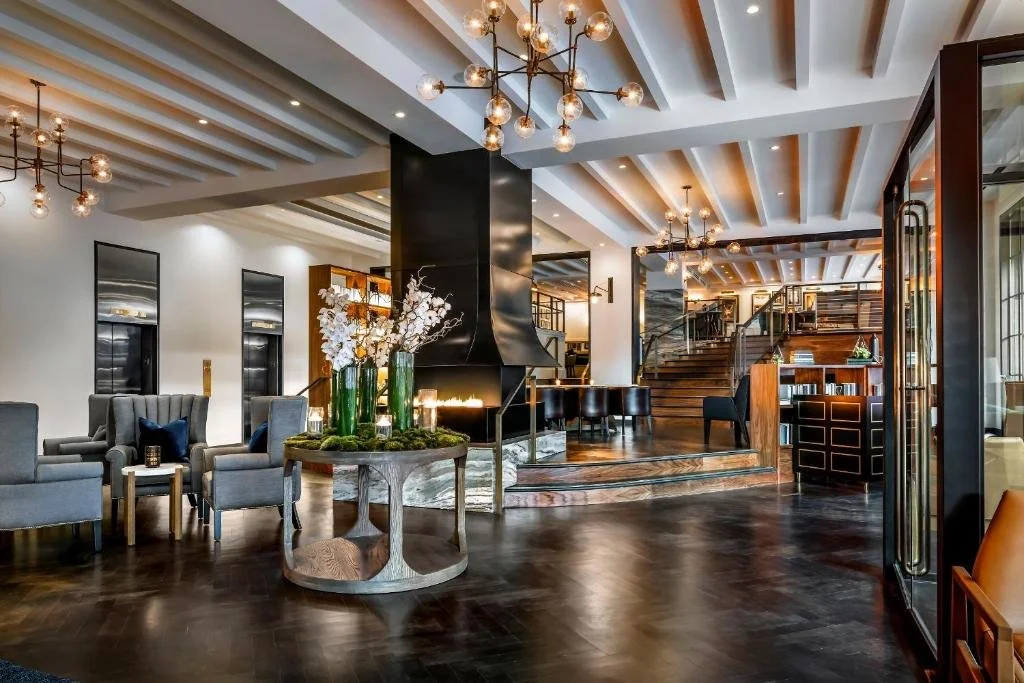
- Law firms and financial services. This crowd values discretion, polish, and being treated as the serious professionals they are. Think refined over flashy — an elegant private dining room, quality over spectacle, an experience that respects their time and intelligence. Loud and gimmicky reads as unserious to them.
- Tech and startups. A younger, more casual culture that often values creativity, energy, and something they haven’t seen before. A stuffy formal dinner can actually fall flat here — an unexpected venue, interactive elements, and a relaxed vibe often land better than white tablecloths.
- Real estate and sales-driven fields. Relationship-and-network people. They value connection, warmth, and the chance to mingle. Build in room to talk and move — a rigid sit-down program can work against what they came for.
- Nonprofits and mission-driven organizations. They value meaning and stewardship. An event that feels wildly extravagant can actually backfire — it reads as careless with resources. Thoughtful and intentional beats lavish every time.
Same goal, four completely different events. That’s the whole point. When a client walks in and the event feels tailored to them, they feel understood — and feeling understood is what actually builds loyalty.
Retaining Clients vs. Winning New Ones
Your goal shapes the design too, because these two jobs are not the same.
When you’re thanking existing clients, the message is we see you and we value this relationship. Personal touches carry enormous weight here — remembering details, acknowledging the history, making them feel like more than a line item. This is the room where genuine appreciation, not a sales pitch, does the work. Push product too hard at an appreciation event and you sour the very relationship you meant to strengthen.
When you’re courting new business, the event is a live demonstration of what working with you is like. Prospects are reading everything — how organized you are, how you treat people, whether the experience matches the promises your sales team made. A seamless, thoughtful event says “this is how we operate,” and that’s often more persuasive than anything in your pitch deck. Just don’t confuse the two goals in one room; a mixed crowd needs a design that welcomes prospects without making loyal clients feel like they’re being sold to.
The Details That Say “We Get You”
Once you know your audience and your goal, the details almost choose themselves — and the best ones are the personal, specific touches that prove you paid attention:
- Match the formality to the crowd, not to your own comfort zone.
- Personalize where it counts — a client’s name, a nod to a shared milestone, a favorite detail remembered. Small, specific gestures outperform big generic ones.
- Design for how they actually socialize — networking room for the minglers, a real program for the crowd that wants substance.
- Respect their time. For busy professionals, an event that runs long or wastes their evening is the opposite of impressive, no matter how nice it looks.
None of this requires the biggest budget in the room. It requires the most attention. That’s what people remember.
When You Want It Done Right
Reading your audience and translating it into an event that actually lands is exactly what I do. I plan client events across the DMV that are built around your specific clients — the industry, the relationship, the goal — so that whether you’re deepening a partnership or winning new business, the room does that work for you. You know your clients. I’ll make sure the event proves you do.
Ready to plan an event your clients will remember? I’d love to hear who you’re trying to reach. Book a discovery call and let’s talk about your event.
Live Intentionally. Celebrate Loudly.